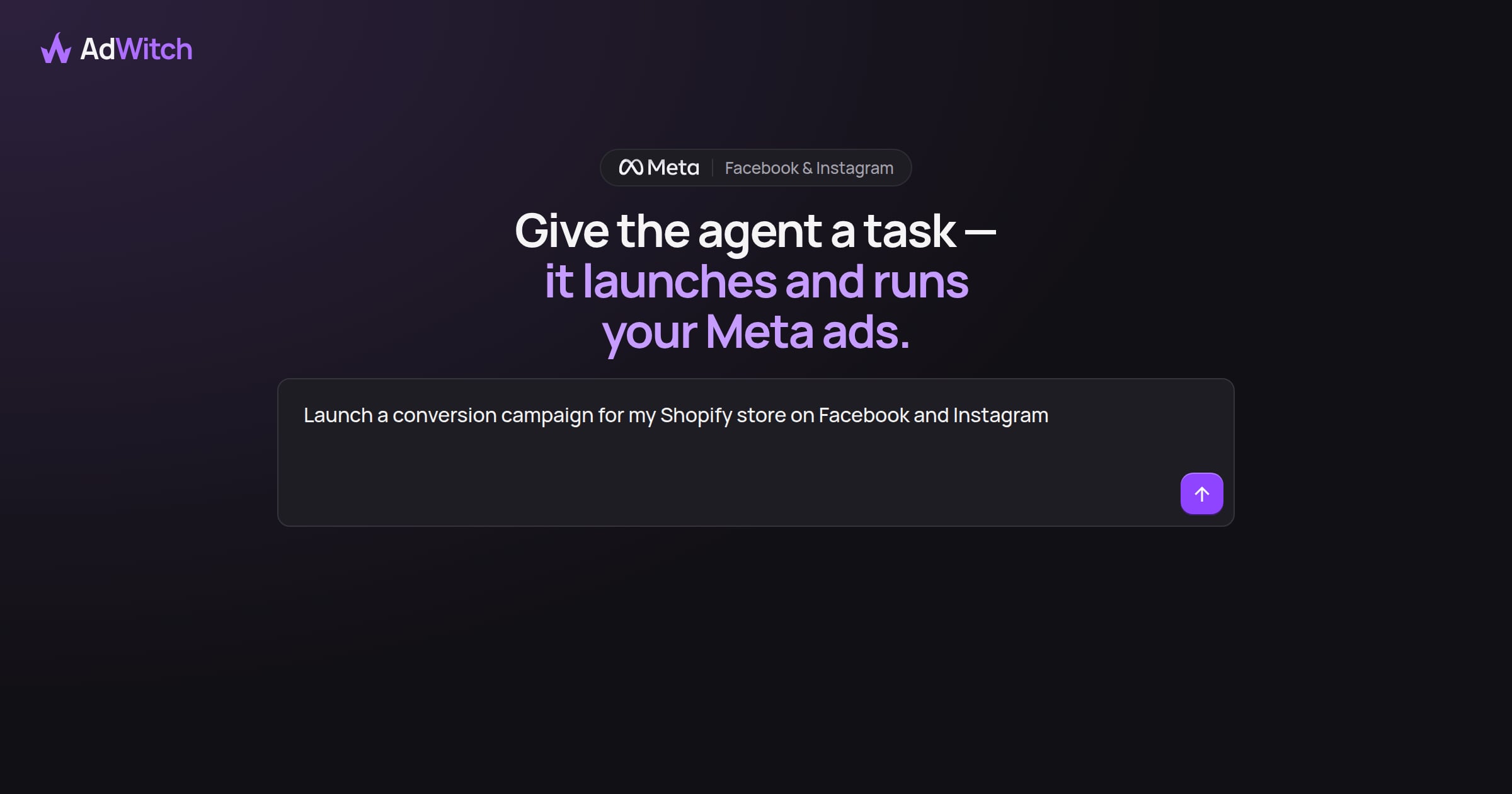
Artificial intelligence isn’t just enhancing Facebook advertising — it’s fundamentally transforming every aspect of how campaigns are created, managed, optimized, and scaled. In 2026, the most successful advertisers are those who have fully embraced AI-native tools that go far beyond simple rule-based automation.
The Evolution from Rules to True Intelligence
First-generation ad tools (2018-2021) offered basic rule-based automation: ‘If CPA exceeds $50, pause the ad set.’ These rules were better than pure manual management but still required human thinking to configure and couldn’t adapt to complex, multi-variable situations.
Second-generation tools (2022-2024) introduced machine learning for pattern recognition — predicting which audiences would convert, suggesting budget adjustments, and analyzing creative performance. But they still operated as assistants, providing recommendations that humans had to review and implement.
Third-generation AI advertising platforms (2025-present) feature autonomous AI agents that understand context, make nuanced decisions, and execute them independently. AdWitch’s AI agent, powered by a frontier reasoning model, doesn’t just see that CPA rose — it understands why (creative fatigue, audience saturation, seasonal shift, competitive pressure) and takes the appropriate corrective action without human intervention.
The difference is profound: rule-based systems execute predefined instructions. AI agents understand goals and dynamically determine the best path to achieve them, adapting their strategy as conditions change.
7 Ways AI is Changing Facebook Ads in 2026
1. Conversational Campaign Management
Instead of clicking through dozens of menus, dropdowns, and configuration forms, you simply tell the AI what you want in natural language: ‘Create a conversion campaign targeting fitness enthusiasts in the US, age 25-44, with a $500 daily budget, optimize for purchases, and generate 10 creative variations with a UGC aesthetic.’ The AI handles every detail — ad set structure, interest targeting, bid strategy, creative asset generation, copy variations, and tracking setup.
This isn’t just convenience — it’s a fundamental shift in who can manage advertising effectively. Non-technical founders, small business owners, and marketing generalists can now access the same campaign sophistication that previously required expert media buyers charging $5,000-15,000/month.
2. Predictive Budget Allocation
AI doesn’t just react to performance data — it predicts future performance. By analyzing historical patterns, seasonal trends, hourly conversion rates, day-of-week effects, and real-time auction signals, AI allocates budgets proactively. It moves money to campaigns that are about to peak, not ones that already have.
A concrete example: your e-commerce campaigns historically see a 40% conversion rate increase between 6-9 PM on weekdays. The AI learns this pattern and pre-allocates additional budget 30 minutes before the peak window, ensuring your ads have maximum delivery during the highest-converting hours. Manual media buyers typically notice these patterns weeks later — if at all.
3. Creative Intelligence at Scale
AI Creative Strategists in 2026 don’t just generate images and copy — they analyze your entire creative ecosystem. They identify which angles resonate with each audience segment, which visual styles drive highest engagement, which copy frameworks produce the best CTR, and when creative fatigue is setting in — often 24-48 hours before humans would notice the early signals.
The most advanced systems, like AdWitch’s creative engine, maintain a ‘creative memory’ — they remember which concepts, colors, layouts, and messaging have worked historically and use this knowledge to generate new creatives that build on proven patterns while introducing enough novelty to prevent fatigue.
4. Autonomous A/B Testing at Scale
Traditional A/B testing compares 2-3 variants over days or weeks. AI tests hundreds of combinations across copy, images, headlines, CTAs, audience segments, placements, and delivery schedules simultaneously. It uses multi-armed bandit algorithms to identify winning combinations in hours rather than weeks, automatically shifting budget toward high performers while maintaining exploration of promising new variants.
The statistical rigor is also superior: AI ensures adequate sample sizes before declaring winners, adjusts for multiple comparison problems (testing many variants simultaneously inflates false positive rates), and accounts for day-of-week and time-of-day variability that often confounds manual A/B tests.
5. Intelligent Comment Moderation
AI monitors ad comments 24/7, automatically hiding negative, spam, competitor mentions, and offensive content while preserving genuine positive engagement. This isn’t simple keyword filtering — it’s nuanced natural language understanding that can distinguish between a legitimate customer complaint (route to support), a competitor planting negative reviews (hide immediately), and genuine enthusiasm (amplify).
Research shows that negative ad comments reduce conversion rates by up to 30%. With AI moderation, this revenue leak is plugged automatically, around the clock, across all your ads simultaneously.
6. Cross-Channel Intelligence
While managing Facebook Ads, AI also considers your broader marketing picture. It understands that a spike in Google search volume for your brand terms might indicate that your Facebook awareness campaigns are working. It recognizes when Facebook and Instagram audiences overlap, preventing wasted spend on duplicate reach.
7. Natural Language Reporting
Instead of spreadsheets and charts, AI generates narrative reports that explain what happened, why it happened, and what should happen next — delivered directly to your Telegram channel like updates from a senior media buyer. ‘Your fitness campaign saw a 23% CPA increase yesterday due to creative fatigue on your top-performing video ad. I’ve already generated 5 new variations and launched them. Expected CPA recovery within 48 hours.’
Real Results with AI Advertising in 2026
Advertisers using AI-powered platforms report transformative results. Aggregated data from Q1 2026 across major AI advertising platforms shows: average ROAS improvement of 280-340% in the first 90 days, CPA reduction of 40-55% (median), 10x increase in creative testing velocity, and 85% reduction in manual campaign management time.
The key drivers behind these improvements are: faster optimization cycles (every 15 minutes vs. daily manual checks), superior creative testing (hundreds of variants vs. 3-5 manually), elimination of human cognitive biases (confirmation bias, loss aversion, anchoring), and 24/7 monitoring without fatigue or distraction.
Getting Started with AI-Powered Advertising
The transition to AI-managed advertising is simpler than most expect. Modern platforms like AdWitch integrate with your existing Facebook Ads accounts — you don’t need to rebuild anything. The process takes about 30 minutes: connect your accounts, share your brand knowledge with the AI, configure your goals and constraints, and gradually transition from manual to AI-managed campaigns.
Frequently Asked Questions
Q: How does AI handle creative compliance and ad policies?
A: AI advertising platforms are trained on Meta’s advertising policies and continuously updated as policies change. They automatically check generated creatives and copy against known policy requirements before submission, significantly reducing disapproval rates. AdWitch’s compliance check catches 94% of potential policy violations before ads are submitted for review.
Q: What industries benefit most from AI advertising?
A: AI advertising delivers the strongest ROI in high-volume, data-rich environments: e-commerce (especially catalogs with 100+ products), lead generation (where CPA optimization is critical), SaaS/subscription businesses (where LTV tracking enables smarter acquisition), and performance marketing/affiliate teams (where speed and scale determine profitability).
Q: Can AI advertising work with small budgets under $1,000/month?
A: Yes. AI is particularly valuable for small budgets because it eliminates waste and optimizes every dollar. The key is choosing a platform with pricing that makes sense for your spend level. AdWitch uses a pay-as-you-go model — you pay only for the AI features you actually use, with no fixed monthly fees.
Q: How long does it take to see results from AI advertising?
A: Most advertisers see measurable improvements within the first 2 weeks. The AI needs 3-7 days to learn your account’s patterns and establish baseline performance, then begins optimizing aggressively. Full performance improvements typically materialize within 30-60 days as the AI builds a comprehensive understanding of your audiences, creatives, and conversion patterns.